
Pennsylvania 72 Hour Booking Records
Pennsylvania law requires a preliminary arraignment within 72 hours of arrest. During this window, booking records are created at county facilities across the state. These arrest records include personal details, charges, mugshots, and fingerprints. You can search Pennsylvania 72 hour booking records through state portals, county jail rosters, and court docket systems. Each of the 67 counties in Pennsylvania maintains its own booking records. Online tools let you look up recent arrests and criminal records from home. This page explains how to find and obtain 72 hour booking records throughout Pennsylvania.
Pennsylvania 72 Hour Booking Quick Facts
What Is the 72 Hour Booking Rule in Pennsylvania
Pennsylvania requires that every person placed under arrest receive a preliminary arraignment within 72 hours. This is the 72 hour booking rule. If the arraignment does not happen in that time, the arrested person must be let go. The rule exists to protect the rights of anyone taken into custody in Pennsylvania. During the booking process, jail staff collect personal data, take fingerprints, and photograph the individual. These steps create the official arrest record in Pennsylvania. The booking record becomes part of the criminal justice system and can be searched by the public in most cases.
The Pennsylvania Rules of Criminal Procedure, Rule 540, governs preliminary arraignment procedures in the state. At the arraignment, a judge or issuing authority determines probable cause for the arrest. The defendant receives a copy of the complaint. Charges are explained. Rights are read aloud. Bail is set or denied. The court cannot question the defendant about the alleged offenses at this stage in Pennsylvania.
The Pennsylvania Rules of Criminal Procedure outline the arraignment process, which applies to all 72 hour booking cases across the state.

After arraignment, a preliminary hearing is held within 14 days if the person remains in custody. If released on bail, the hearing must take place within 21 days. Pennsylvania law also allows arraignment through two-way audio-visual communication, which many counties now use for faster processing of 72 hour booking cases.
How to Search 72 Hour Booking Records in Pennsylvania
Several tools exist for searching booking records and arrest records in Pennsylvania. The method you choose depends on what you need. Free options are available for basic searches. Paid services provide more thorough criminal history reports. Each has its own strengths for finding 72 hour booking records in Pennsylvania.
The Unified Judicial System Portal gives free access to public docket sheets for courts across Pennsylvania. You can search by name or case number. The UJS Portal covers Magisterial District Judge courts, Courts of Common Pleas, and Appellate Courts. A Court Summary report shows all of a person's cases statewide. This is one of the best ways to look up arrest records and booking information in Pennsylvania at no cost.
The UJS Portal is a statewide system for searching Pennsylvania court records, including criminal cases tied to 72 hour booking events.
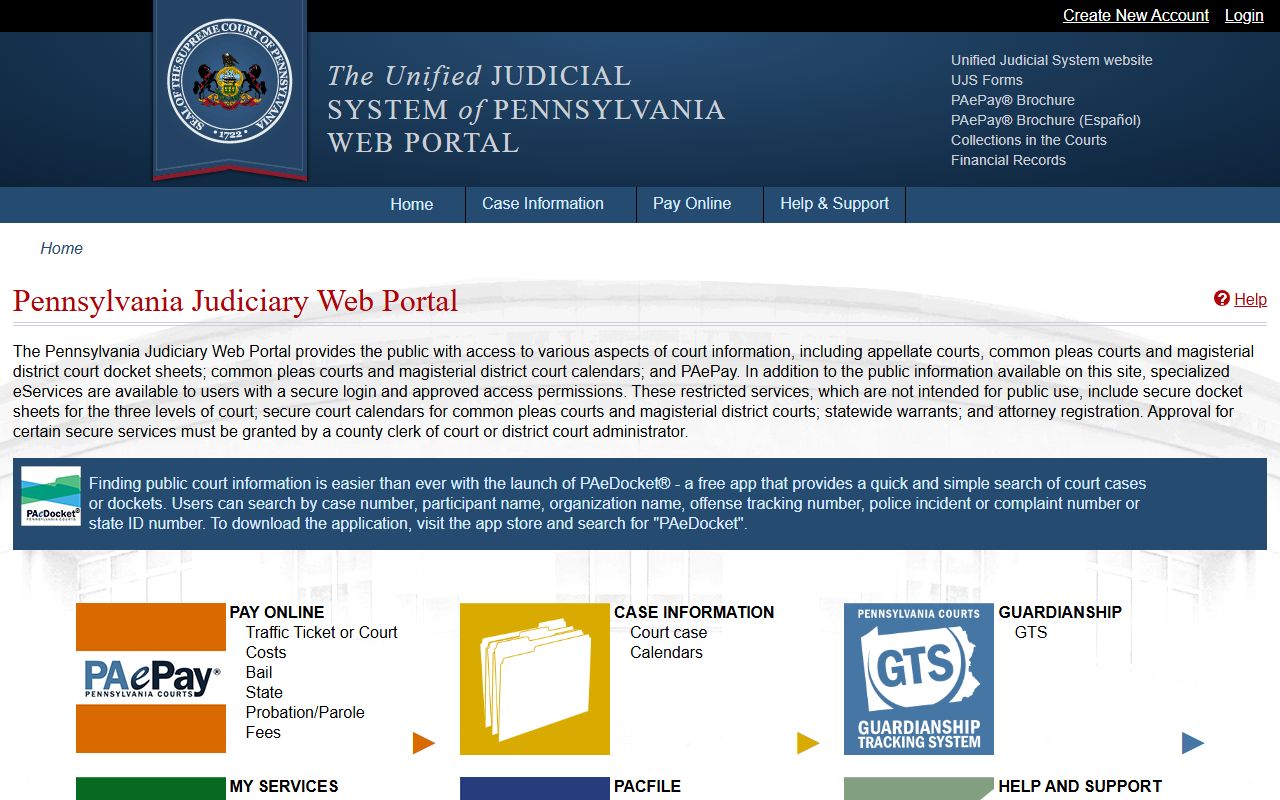
County jail rosters are another way to find recent 72 hour booking records in Pennsylvania. Many counties post current inmates on their jail or sheriff websites. These rosters show names, charges, booking dates, and sometimes mugshots. Not all 67 counties in Pennsylvania publish this data online. For counties without web rosters, you may need to call the jail or visit in person to check booking records.
Note: The UJS Portal does not display booking photos, but it provides detailed docket information for criminal cases across Pennsylvania.
Pennsylvania PATCH Criminal History Checks
PATCH stands for Pennsylvania Access To Criminal History. It is the state's official portal for criminal background checks. PATCH is run by the Pennsylvania State Police under Chapter 91 of Title 18 of the Crimes Code. Anyone can request a criminal history check through ePATCH online. The fee is $22 per request. This fee applies whether a record is found or not.
The PATCH system provides results based on the state's criminal records database in Pennsylvania.
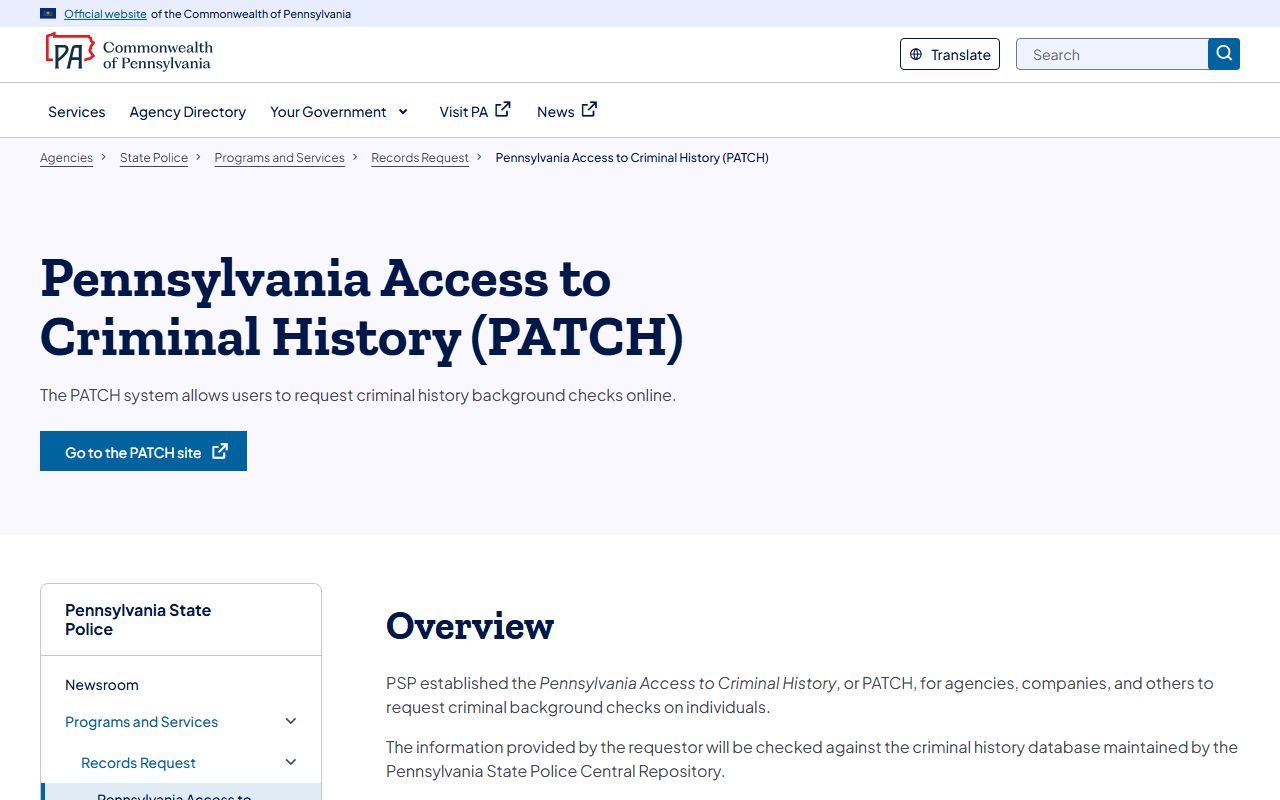
Most "No Record" results come back right away. The PATCH system reports that 85% of these are returned at once. Criminal justice agencies in Pennsylvania have full access to criminal history record information through PATCH. Requests from the general public are subject to edit criteria, which means some older arrest records or cases without conviction may not appear. The PATCH Helpline can be reached at 1-888-QUERY-PA (1-888-783-7972) for questions about criminal history checks in Pennsylvania.
Criminal History Record Information in Pennsylvania
The Criminal History Record Information Act, known as CHRIA, controls how booking records and criminal records are shared in Pennsylvania. Under this law, only state or local police departments may release criminal history record information to the general public. Criminal justice agencies must submit disposition reports within 90 days of a case outcome. This keeps arrest records and booking records current across the state.
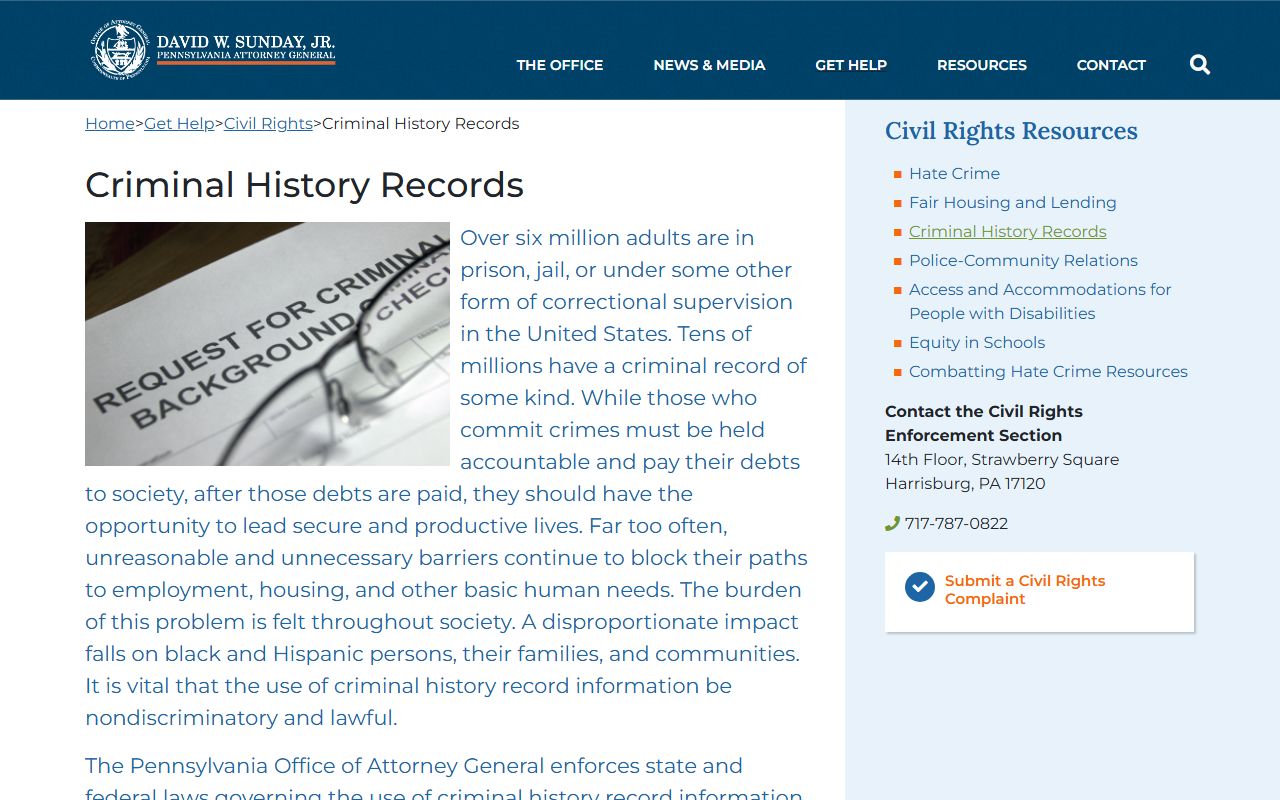
CHRIA includes a three-year extract rule. Arrest records that did not lead to a conviction may be limited in what is shared after three years in Pennsylvania. Individuals have the right to review their own criminal history record information. They can challenge errors. They can request corrections. The Pennsylvania Attorney General enforces state and federal laws governing the use of criminal history records, including booking records from the 72 hour booking process.
The Attorney General's office oversees the proper handling of Pennsylvania criminal records and booking data.
Pennsylvania law also provides for expungement in certain cases. If you qualify, your arrest records and booking records can be removed from public databases. The Attorney General establishes the maximum fees that agencies can charge for reproducing criminal history information in Pennsylvania.
Note: Criminal justice agencies in Pennsylvania must follow strict rules when sharing 72 hour booking records with the public.
Pennsylvania Booking Photo and Mugshot Policies
Mugshots taken during the 72 hour booking process in Pennsylvania have a unique legal status. In 2025, the Pennsylvania Supreme Court ruled in Mezzacappa v. Northampton County that booking photos qualify as criminal history record information under state law. This decision changed how counties handle mugshot requests across Pennsylvania.
Because mugshots fall under CHRIA, they are not subject to the Right-to-Know Law in Pennsylvania. Counties can deny public requests for booking photos. However, they are not required to deny them. Some counties still release mugshots. Others do not. The mugshot policy varies by county across the state. Only police departments may release booking photos to private individuals who request them in Pennsylvania.
This ruling applies to all booking photos taken during the 72 hour booking process in Pennsylvania counties.

If you need a booking photo from a Pennsylvania county jail, contact the local police department that made the arrest. They have the authority to release or withhold the mugshot based on their own policies within CHRIA guidelines.
Pennsylvania Inmate and Booking Record Lookup
The Pennsylvania Department of Corrections Inmate Locator lets you search for state-sentenced inmates and parolees across the commonwealth. The database is updated daily. Results include names, mugshots, facility locations, and sentencing details. This tool covers individuals in state prisons in Pennsylvania, not county jails.
The DOC Inmate Locator is a useful tool for finding inmates who have moved beyond the 72 hour booking stage in Pennsylvania.
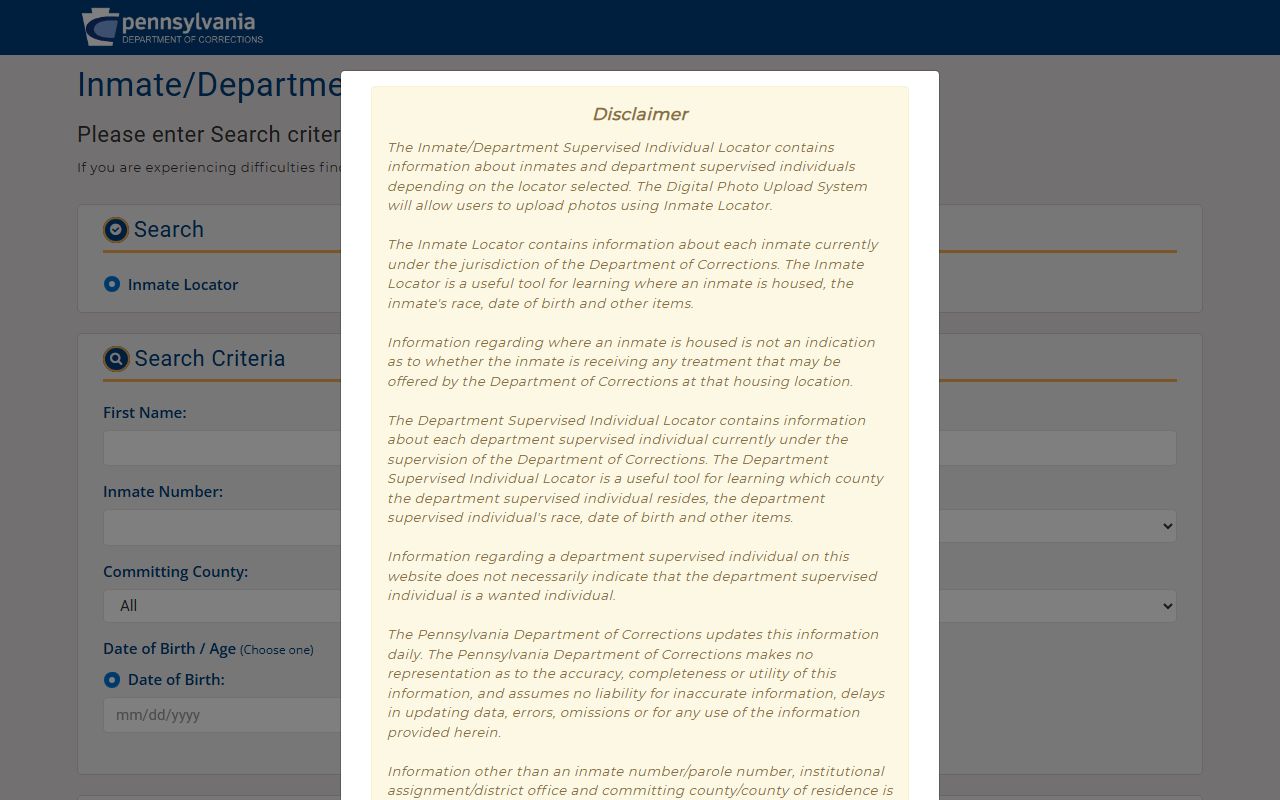
For people held in county facilities after a 72 hour booking in Pennsylvania, you need to check with the individual county jail. The DOC system does not include county inmates. You can contact the Department of Corrections at ra-contactdoc@pa.gov for questions about state inmates in Pennsylvania.
Requesting 72 Hour Booking Records Under Pennsylvania Law
The Pennsylvania Right-to-Know Law (RTKL) gives the public broad access to government records. Under RTKL, all government records are presumed accessible. Public records covered by this law include court records, criminal records, arrest records, and inmate records. You can submit a standard request form to any Pennsylvania agency for booking records and other public documents.
The Right-to-Know Law provides a framework for obtaining Pennsylvania booking records and arrest information.
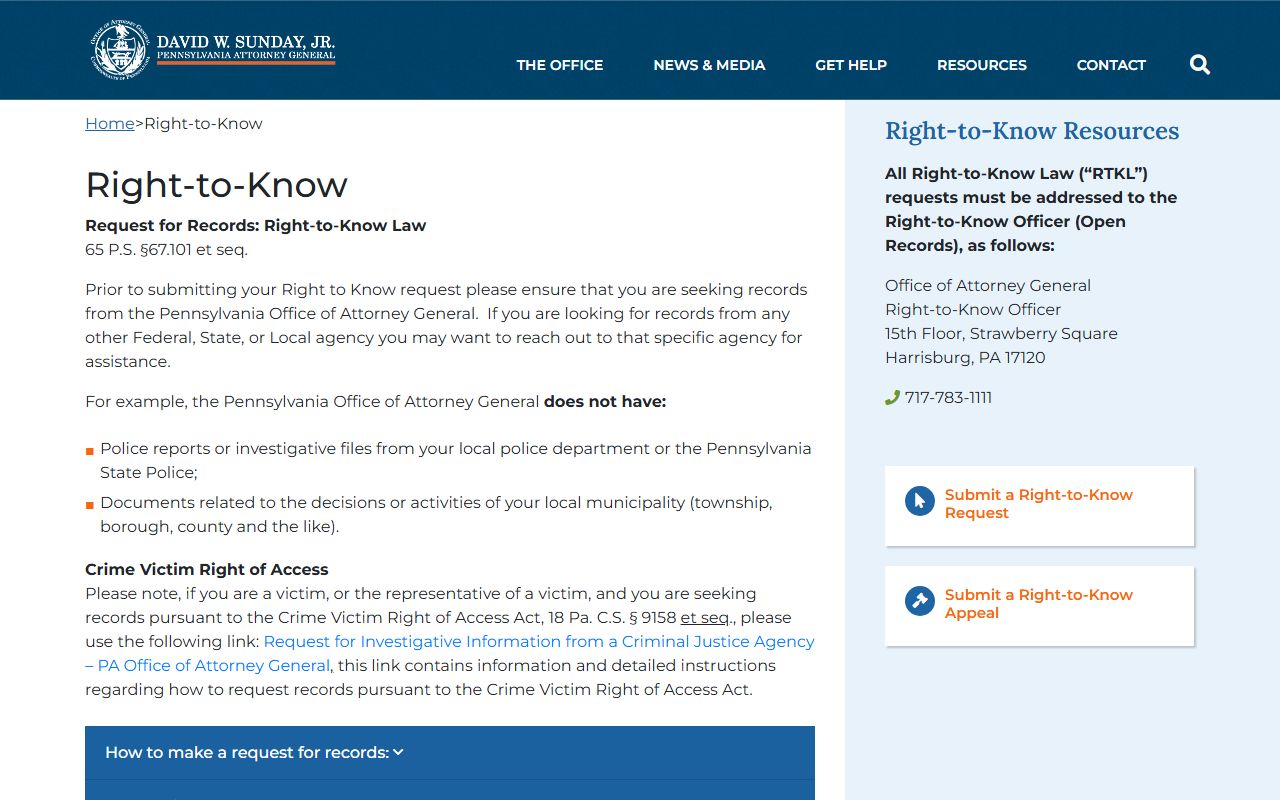
Agencies must respond within five business days of receiving a request in Pennsylvania. Extensions of up to 30 days are allowed in some cases. You must be a U.S. legal resident to file a request. The Office of Open Records handles appeals if a request is denied. Their address is 333 Market Street, 16th Floor, Harrisburg, PA 17101. While RTKL covers many booking records, remember that mugshots and certain criminal history data may fall under CHRIA instead in Pennsylvania.
Note: RTKL requests must be submitted on a standard form, and the agency has five business days to respond in Pennsylvania.
Pennsylvania Court Records and Booking Information
Court records tied to 72 hour booking events in Pennsylvania are available through multiple channels. The PACourts public records portal provides free docket sheet searches through the UJS system. You can look up criminal cases from Courts of Common Pleas, Magisterial District Judge courts, and Appellate Courts across the state.
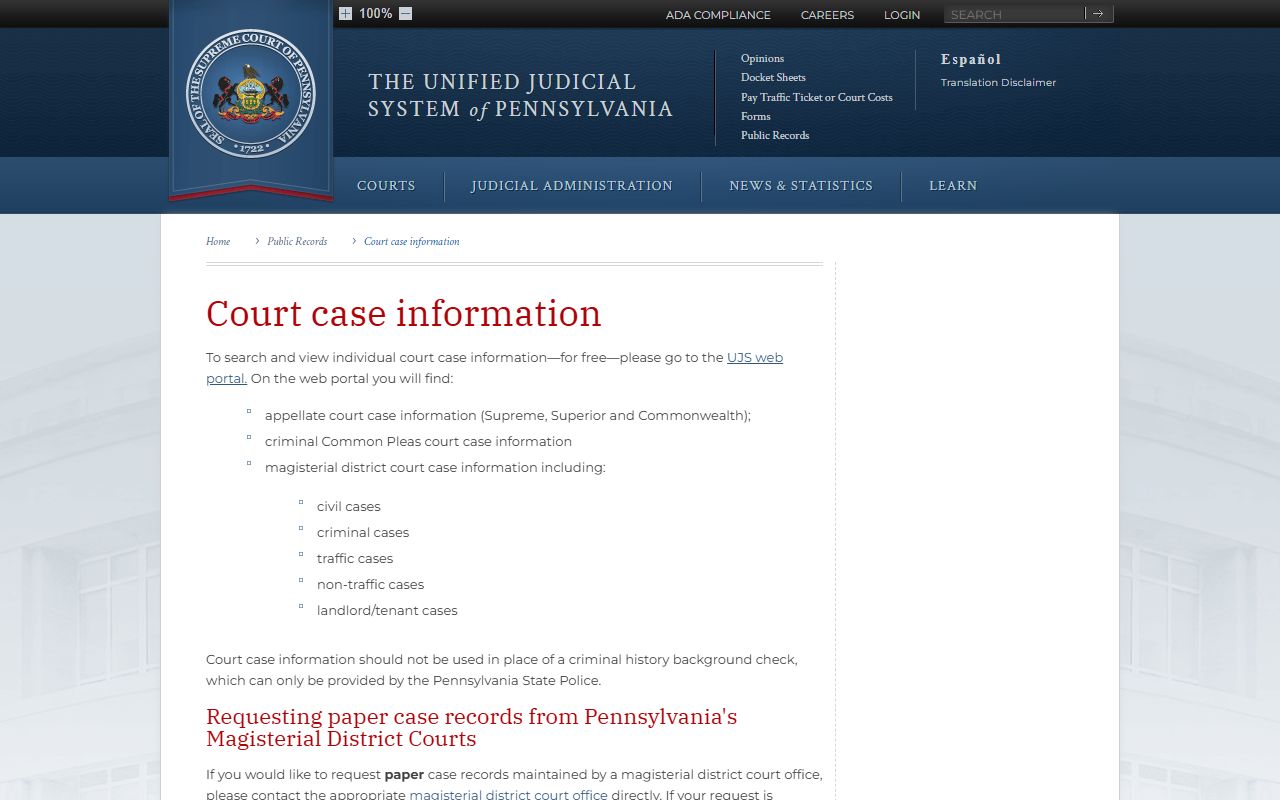
Rule of Judicial Administration 509 governs access to financial records within court cases in Pennsylvania. Docket sheets show case details including charges, hearing dates, and dispositions. When someone is booked in the 72 hour window, the resulting criminal case appears in this system once the court processes the filing. These records are not maintained by individual county offices. The UJS Portal is a statewide system that covers all Pennsylvania courts.
Pennsylvania Booking Centers and Criminal Justice Data
The Pennsylvania Commission on Crime and Delinquency (PCCD) was established in 1978 as the state's justice planning agency. PCCD works toward a goal of having every criminal arrest in Pennsylvania digitally recorded with fingerprints, photos, and demographic data. This directly ties to the 72 hour booking process across the state.
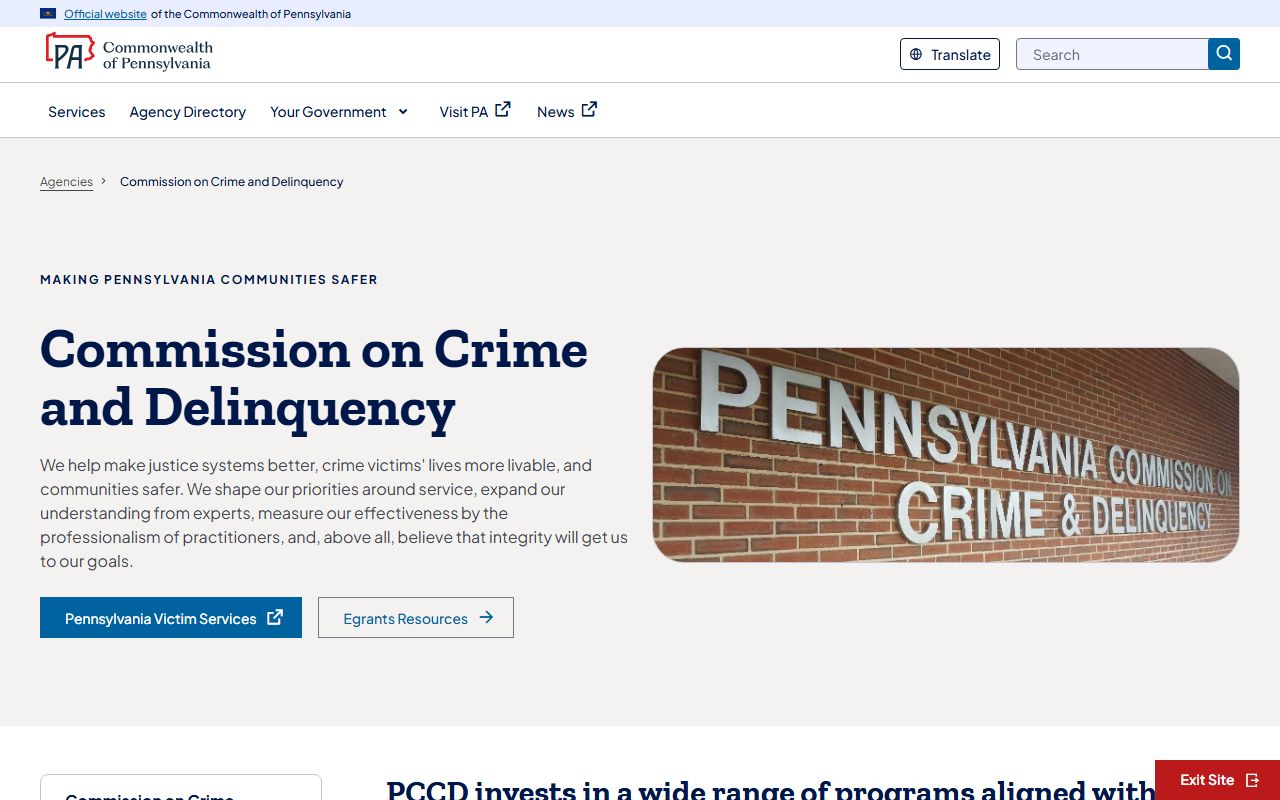
Pennsylvania uses several systems to manage booking records and criminal justice data:
- Booking Centers process arrested individuals with fingerprints and photos
- CLEAN (Commonwealth Law Enforcement Assistance Network) connects law enforcement agencies
- CPIN (Commonwealth Photo Imaging Network) manages booking photos statewide
- ePATCH provides public criminal history checks
These systems work together to track arrest records and booking records from the moment of arrest through the 72 hour booking window and beyond in Pennsylvania. PCCD coordinates with local and state agencies to keep criminal records accurate and complete across all 67 counties.
Victim Notification for Pennsylvania Booking Records
VINELink is the nation's leading victim notification network. It provides custody status updates and criminal case information around the clock. The system operates 24 hours a day, 365 days a year. It covers 2,900 facilities across 48 states, including Pennsylvania.
Victims of crime in Pennsylvania can register with VINELink to receive alerts when an offender's custody status changes. This includes notifications tied to the 72 hour booking process, such as when someone is booked into a county jail or released. The toll-free number is 1-866-277-7477. VINELink is a free service for victims in Pennsylvania and across the country.
Historical Arrest and Booking Records in Pennsylvania
The Pennsylvania State Archives holds historical criminal records dating back to the early 1800s. These include records from state penitentiaries that document booking and incarceration from past eras in Pennsylvania.
The archives contain Eastern State Penitentiary records from 1829 to 1961. Western State Penitentiary records span from 1826 to 1960. These collections include intake logs, inmate files, and other booking documents from Pennsylvania's early criminal justice system. Researchers can contact the State Archives at 1681 North Sixth Street, Harrisburg, PA, or call 717-783-3281 to inquire about historical arrest records and booking records in Pennsylvania.
Note: Historical booking records at the Pennsylvania State Archives require an in-person visit or written request for access.
Pennsylvania Rule 540 and the Booking Process
Rule 540 of the Pennsylvania Rules of Criminal Procedure sets the framework for preliminary arraignment after arrest. It requires that the defendant be brought before an issuing authority without unnecessary delay. The issuing authority must find probable cause before any continued detention. A copy of the criminal complaint must be given to the defendant at this stage in Pennsylvania.
The full text of Rule 540 is available through the Pennsylvania Code and Bulletin website. This rule directly governs what happens after the 72 hour booking process. Every county in Pennsylvania must follow these procedures. The rule protects individuals from being held without proper judicial review after arrest and booking in Pennsylvania.
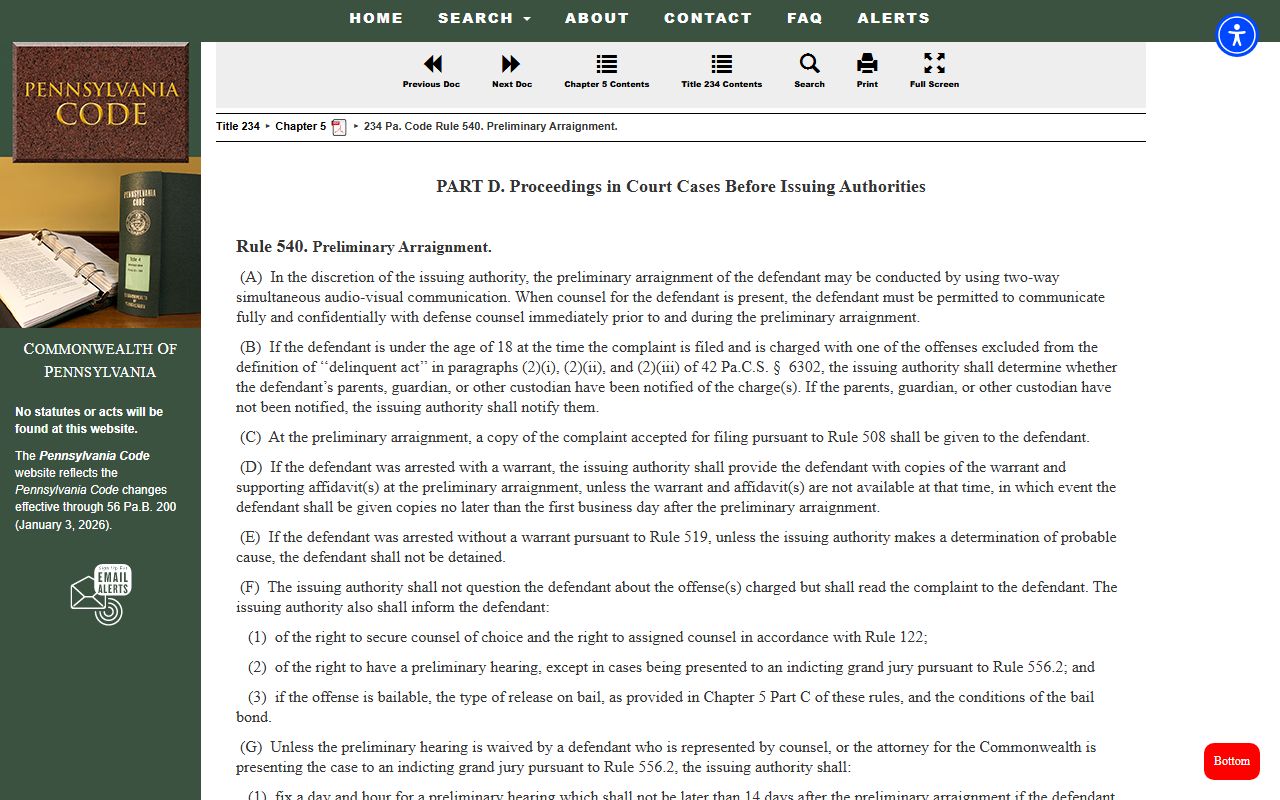
Understanding Rule 540 helps clarify how the 72 hour booking timeline works. From arrest to arraignment, the clock runs continuously. If the arraignment does not occur within 72 hours, the person must be released from custody in Pennsylvania.
Browse Pennsylvania 72 Hour Booking Records by County
Each county in Pennsylvania maintains its own booking records and jail roster. Pick a county below to find local arrest records and 72 hour booking information for that area.
72 Hour Booking Records in Major Pennsylvania Cities
Residents of major cities in Pennsylvania can search for booking records and arrest records through their local county systems. Pick a city below to find 72 hour booking information for that area.